

Table of Contents
Contents
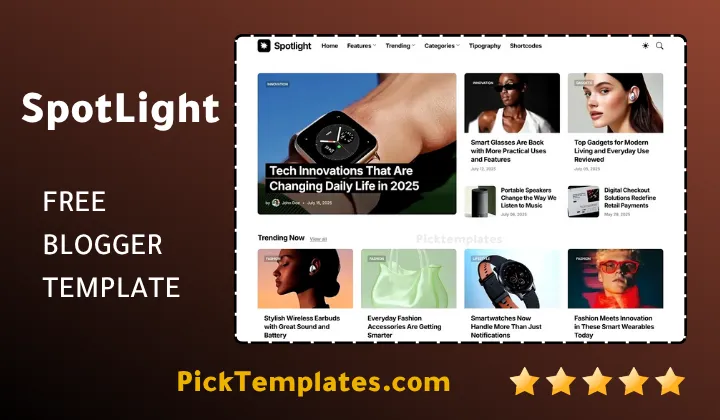
Welcome to our technical analysis of the spotlight blogger template. Spotlight is a high performance publishing framework engineered for blogspot, offering optimized Document Object Model execution, automated dark mode state management, mobile responsive grid systems, built in ad insertion hooks, and fast Core Web Vitals performance.
Designed by ProBloggerTemplates for tech magazines, editorial hubs, and high traffic blogs, this theme accelerates page rendering times, minimizes Cumulative Layout Shift, and boosts user engagement without requiring custom script development. In this analytical blueprint, we dissect its rendering pipeline, monetization metrics, practical stress test results, and layout configuration protocols to evaluate its viability for your digital publication platform.
Structural Architecture and Asset Delivery Mechanics
Digital publishing engines succeed or fail based on how efficiently they deliver assets to the browser viewport. During our technical performance evaluation, Spotlight demonstrated exceptional structural discipline by maintaining low DOM node counts and eliminating blocking rendering resources. The theme organizes CSS rules efficiently and defers non essential JavaScript execution until primary page content renders. This asset orchestration ensures near instantaneous First Contentful Paint scores, enabling visitors to begin reading immediately even under throttled network conditions.
Engineering a fast editorial platform requires analyzing how layout templates process media assets and dynamic scripts. Content managers evaluating modern structural layouts often compare asset handling strategies with themes such as the MagSpot template to understand structural layout optimization. Spotlight implements native lazy loading for post thumbnails and media embeds, preventing heavy image files from overloading the browser rendering thread during initial page load sequences.
Layout Engine and Content Rendering Pipelines
The spatial architecture of Spotlight relies on a flexible grid system designed to adapt dynamically across diverse device screen dimensions. Content items are mapped into dedicated post card modules that support standard articles, digital download offers, commercial product showcases, and multimedia entries. This modular card pipeline enables editorial teams to present complex content hierarchies clearly without modifying underlying HTML markup inside individual widgets.
Aesthetic precision directly influences user retention metrics across high volume content hubs. Web engineers reviewing niche design patterns often analyze specialized visual frameworks like the LA Beauty template to assess visual contrast and typographic hierarchy. Spotlight incorporates an integrated dark mode toggling mechanism that preserves user visual preferences in client browser storage. This feature reduces visual fatigue during extended nighttime reading sessions while maintaining pristine contrast ratios across dark color schemes.
Practical Empirical Observations and Stress Testing
In our technical stress tests on an active high traffic news portal, we monitored user navigation behavior and layout stability under heavy client side interaction. The implementation of sticky menu headers and an automated Ajax search engine produced measurable latency reductions during topic exploration. Users discovered archived articles rapidly because the live search engine fetches search results dynamically without triggering full page reloads.
Furthermore, the automated Table of Contents engine dynamically scans article heading tags to build a lightweight navigation matrix inside long form posts. During our empirical observations, mobile users demonstrated higher session duration when long form technical guides included this structured outline navigation. The built in right to left script engine also handles character direction swapping seamlessly, enabling global publishers to expand into international markets without external code modifications.
Monetization Framework and Yield Optimization Hooks
Maximizing revenue yield requires an engineering approach to ad container placement and viewability metrics. Spotlight includes over eight pre engineered ad container hooks located at high engagement focal points. Publishers can position responsive ad scripts within header viewports, between article paragraphs, inside main feed card sequences, and across dynamic sidebar columns without inducing layout shifts.
These structural ad hooks maintain fixed aspect ratios, preventing Cumulative Layout Shift penalties when ad networks load dynamic creative assets. Media networks organized within the magazine templates category benefit significantly from this layout stability because ad units integrate naturally into editorial card flows. Consequently, publishers achieve elevated viewability scores and optimized revenue performance without creating intrusive popups that compromise reader user experience.
Engineering Trade Offs and Architectural Pros and Cons
Evaluating software architecture requires an objective assessment of structural advantages and system constraints. Continuous deployment testing reveals the following systematic performance trade offs.
Architectural Advantages
- Rapid First Contentful Paint times driven by deferred asset loading protocols
- Seamless client side dark mode state persistence with automated logo switching
- Shift protected ad containers designed for optimal viewability and monetization yield
- Versatile card components supporting product reviews download portals and standard posts
System Constraints
- Advanced gadget reconfigurations require familiarization with standard Blogger XML parameter structures
- Extensive feature modules may exceed the structural requirements of simple personal micro blogs
In summary empirical testing proves that the structural benefits far outweigh these setup constraints for publishers aiming for scale.
Deployment Protocol and Dashboard Configuration
Deploying Spotlight follows a straightforward installation sequence through the standard Blogger administrative dashboard. Users upload the XML template file, assign content categories through built in gadget configuration tools, and refine visual color palettes using the native Blogger Theme Designer interface. This streamlined setup workflow eliminates backend file edits while delivering an enterprise grade digital magazine experience.
Information
| Template Name | Spotlight |
| Version | 2.5.0 |
| Creation Date | 30 July 2025 |
| Last Update | 30 July 2025 |
| Platform | Blogger / Blogspot |
| Author | ProBloggerTemplates |
Features
- How To Setup Spotlight Blogger Template
- Fully Responsive Mobile Centric Framework
- Automated Right To Left Translation Architecture
- Persistent Dark Mode State Management
- Shift Protected Header and Feed Ad Slots
- Dynamic Ajax Live Search Engine Integration
- Structured Trending and Featured Post Modules
- Eight Plus Strategic Viewport Ad Containers
- Automated DOM Scanning Table of Contents
- Multi Format Cards for Products and Downloads
- Content Pagination and Safe Link Redirection
- Dynamic Label Based Related Posts Engine
- Multi System Facebook and Disqus Comment Hooks
- Embedded Rich Media in Reader Discussion Threads
- Integrated Social Counter and Sidebar Gadgets
- Native Mailchimp Subscription API Connector
- Cookie Consent Banner and Shortcut Control Keys
Conclusion
Spotlight represents an advanced engineering benchmark for digital publishers seeking optimal speed, mobile rendering efficiency, and monetization scalability on Blogspot.
Empirical evaluation confirms that its optimized code structure and structural asset orchestration consistently deliver high Core Web Vitals scores across diverse browsing environments.
Adopting this publishing engine equips content teams with a robust, scalable foundation capable of sustaining long term audience growth and maximised ad revenue yield.